
Natural Remedies & Alternative Health: The Honest Review
Six books on natural remedies, from beekeeping apothecaries to crystal healing. We read them all to tell you what’s actually useful, what’s questionable, and what’s pure wishful thinking.
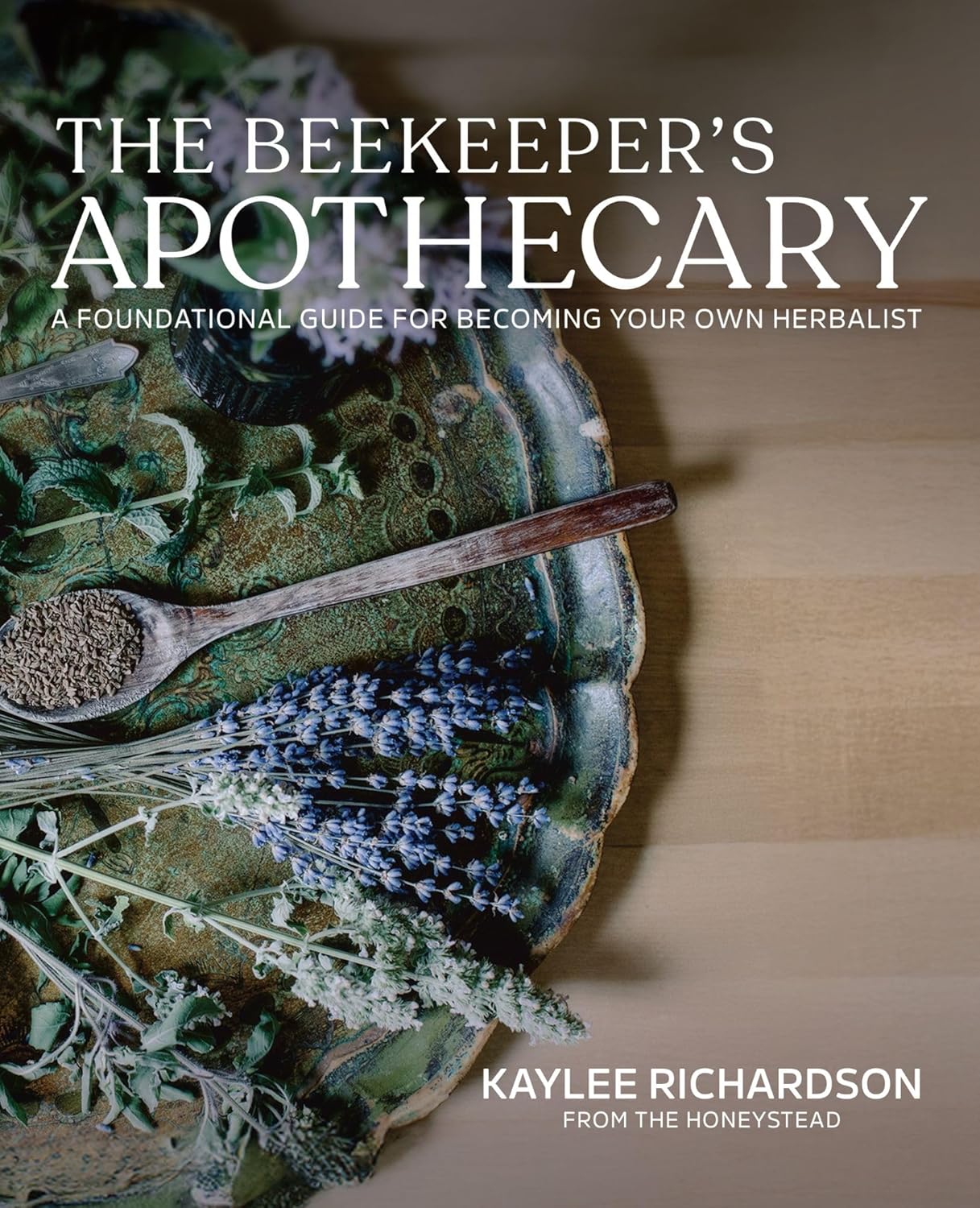
The Beekeeper’s Apothecary
Comprehensive guide to using bee products (honey, propolis, royal jelly, bee pollen, beeswax) for health and wellness. This goes way beyond “honey for sore throats” – it covers everything from making propolis tinctures to using bee venom therapy (which, honestly, sounds terrifying but is apparently a thing).
The book is well-organized with clear sections for each bee product, historical context, and practical recipes. Some claims are backed by actual research (raw honey’s antimicrobial properties), while others are more “traditional wisdom” territory. To the authors’ credit, they usually distinguish between proven effects and anecdotal ones.
At $39.99, this is expensive, but it’s also substantial (300+ pages) with quality photos and detailed instructions. The hardcover is beautifully made – thick pages, excellent binding, the kind of reference book that’ll last. If you’re into beekeeping, herbalism, or DIY natural remedies, this offers genuine value beyond the typical “natural healing” fluff.

Amish Natural Home Remedies
Collection of traditional Amish remedies using herbs, foods, and household items. Think apple cider vinegar for everything, garlic poultices, and onion syrup for coughs. Some remedies are genuinely helpful (ginger for nausea works), while others are… optimistic at best.
The book romanticizes Amish lifestyle pretty heavily – lots of “simple wisdom from simpler times” framing. What it doesn’t mention: the Amish also use modern medicine when needed. These remedies were supplements to healthcare, not replacements. The recipes are simple and use common ingredients, which is nice, but the organization is chaotic. No index, remedies aren’t alphabetized, you just have to scroll through chapters hoping to find what you need.
At $24.99, it’s overpriced for what amounts to a pamphlet expanded into book form (maybe 150 pages of actual content). The paperback quality is mediocre – thin pages, cheap binding. Some genuinely useful remedies buried in here, but you could probably find the same information free online.

Crystals for Healing
Let’s be direct: there’s zero scientific evidence that crystals have healing properties beyond placebo effect. That said, I’m reviewing this as a reference guide for people interested in crystal work, not as a medical text.
The book catalogs various crystals with pretty photos, historical uses, and claimed metaphysical properties. It’s well-organized (alphabetical by crystal name) and the photography is decent. If you’re into crystal collecting or want to learn the traditional associations (amethyst for calm, rose quartz for love, etc.), this covers the basics adequately.
What bothers me: the book makes health claims without any disclaimers. “Use this crystal for depression” or “this one heals infections” – statements presented as fact rather than belief. That’s irresponsible. The paperback quality is fine – nothing special but functional. At $23.29, you’re paying for the photos and organization, not groundbreaking information.

The Ultimate Peptides Bible
Peptide therapy is a legitimate (though still somewhat experimental) field of anti-aging medicine. This book attempts to explain various peptides, their mechanisms, and potential benefits. Unlike the crystal book, there IS actual science here – peptides are real biological molecules with documented effects.
The problem: this reads like it was written for biohackers rather than medical professionals or average readers. Dense scientific terminology with minimal explanation, dosing information that should really come from a doctor, and a general vibe of “you should definitely try these” rather than “here’s objective information.” The research citations are decent but cherry-picked to emphasize benefits while downplaying risks or unknowns.
At $34.99, you’re paying premium price for information that would be better discussed with an actual anti-aging specialist. The book is comprehensive (300+ pages) and well-organized, but the practical utility is limited unless you’re already deep in the biohacking world. Hardcover quality is good – solid binding, quality paper.

The Patch Manual (LifeWave®)
This is essentially a training manual for LifeWave patches – adhesive patches that claim to improve energy, sleep, pain relief, and more through “phototherapy” and “frequency modulation.” The science behind these claims is… questionable. The company cites studies, but independent verification is lacking.
The manual explains where to place patches for different conditions, combining elements of acupuncture meridian theory with the company’s proprietary technology. If you’re already using LifeWave products, this provides detailed placement protocols. If you’re skeptical about the patches themselves, this won’t convince you.
At $23.56 for what is essentially product documentation, this feels expensive. It’s clearly written and well-organized with diagrams showing patch placement, but you’re paying for instructions to use a product you’ve already bought. Paperback quality is basic – functional but nothing special. Unless you’re specifically using LifeWave patches, skip this entirely.

Barbara O’Neill’s Natural Remedies Encyclopedia
Barbara O’Neill is a controversial figure in natural health – she’s been banned from practicing in Australia for giving medical advice without qualifications. That context matters when reading this encyclopedia of natural remedies covering everything from digestive issues to chronic disease.
The book is comprehensive and well-organized, with remedies categorized by condition. Some advice is sensible (hydration, whole foods, stress management), while other claims cross into dangerous territory (suggesting natural alternatives to proven medical treatments for serious conditions). O’Neill blends legitimate nutritional science with unproven therapies without clear distinction.
What’s useful: practical information on herbs, foods, and lifestyle factors that can support health. What’s concerning: the implicit message that these remedies can replace conventional medicine. At $21.97, it’s reasonably priced for a 300+ page reference. Paperback quality is adequate. Approach this as folk wisdom collection, not medical advice, and always verify serious claims with actual doctors.